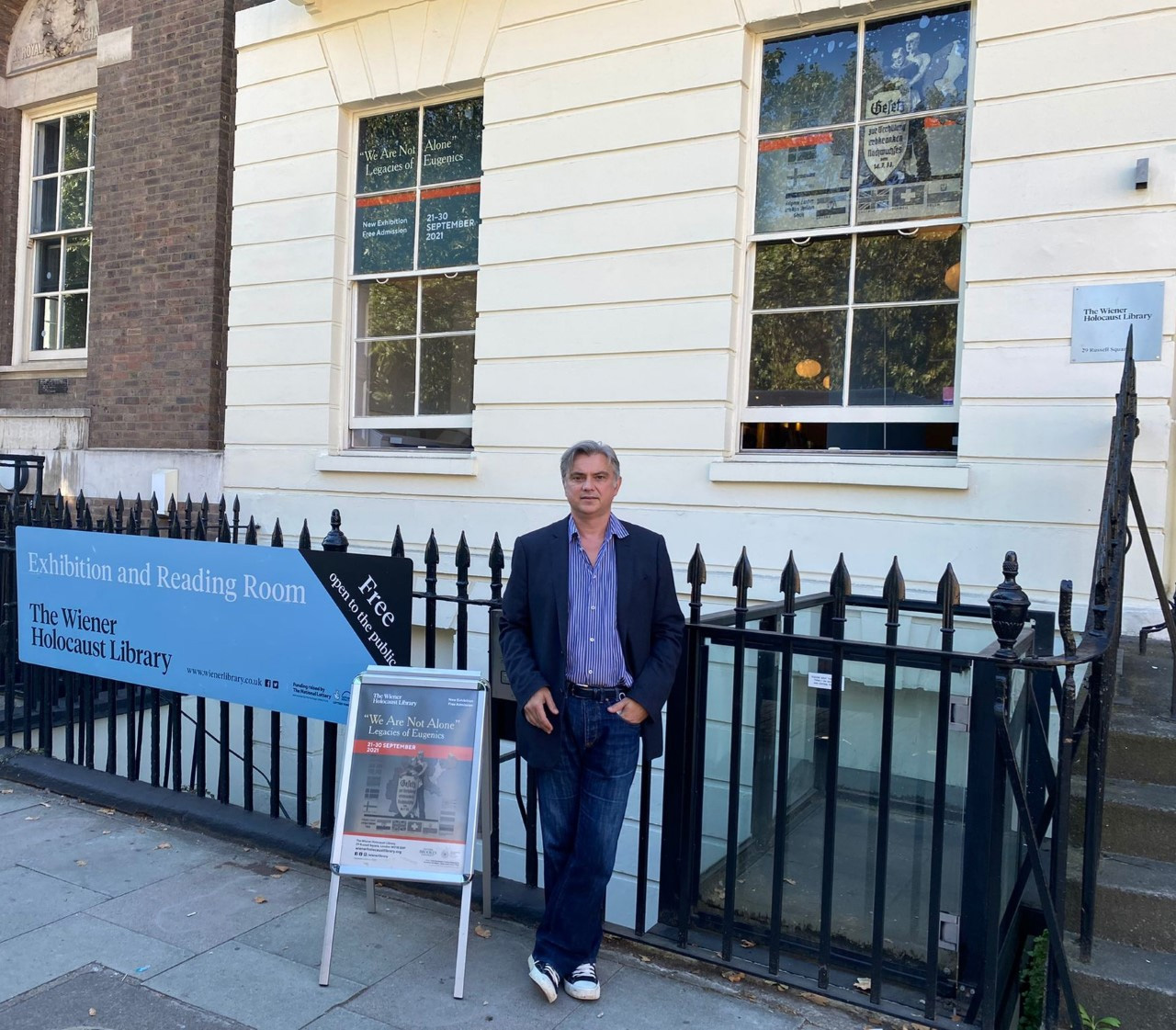
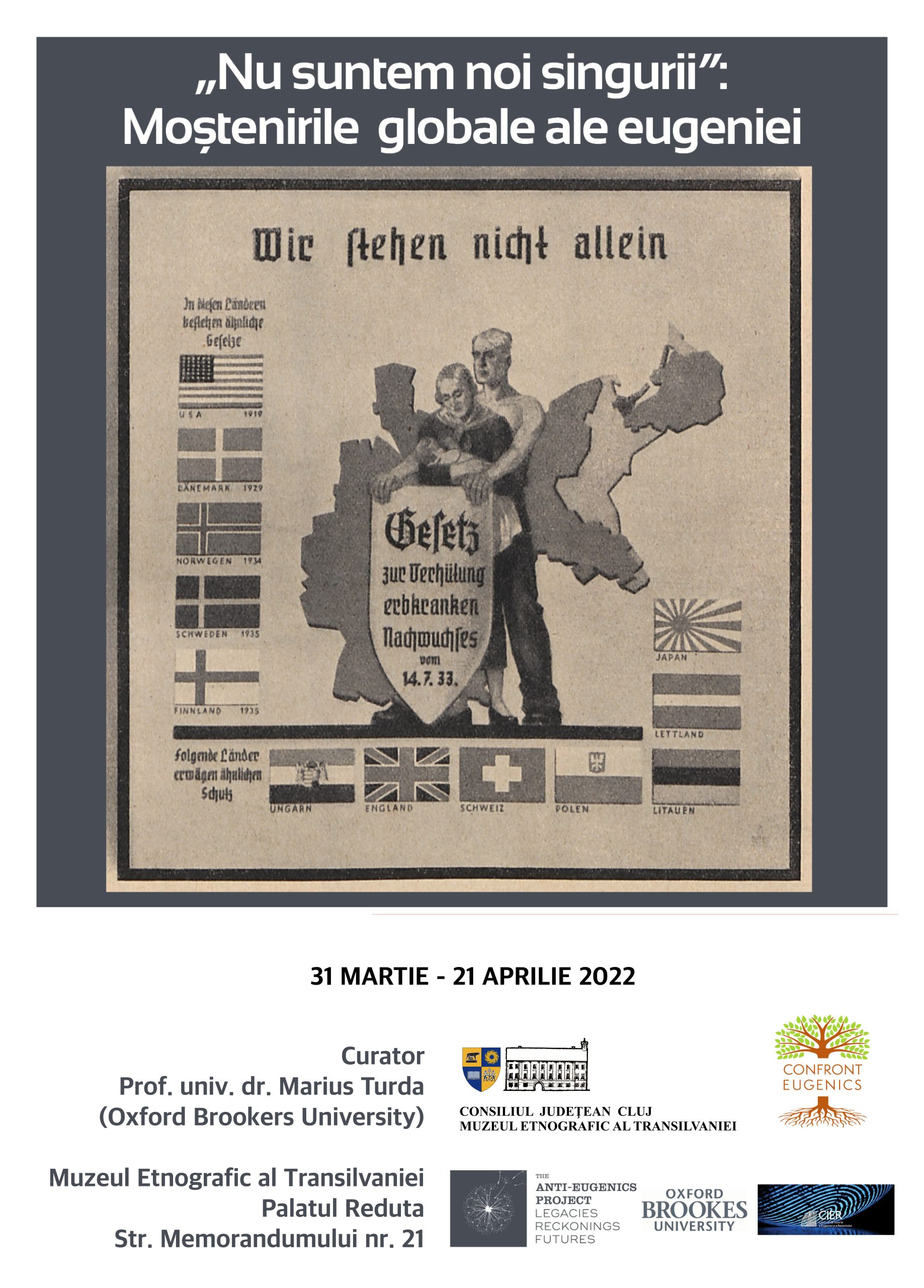
On 29 June 2022 the exhibition ‘We are not alone’: Legacies of Eugenics travels to Iasi at the National Atheneum.


On 29 June 2022 the exhibition ‘We are not alone’: Legacies of Eugenics travels to Iasi at the National Atheneum.
Read Marius Turda and Benedict Ipgrave’s co-authored article: “From small beginnings: to build an anti-eugenic future“
https://www.thelancet.com/journals/lancet/article/PIIS0140-6736(22)00882-0/fulltext
published in The Lancet, vol. 399, issue 10339, May 21, 2022, pp. 1934-1935.
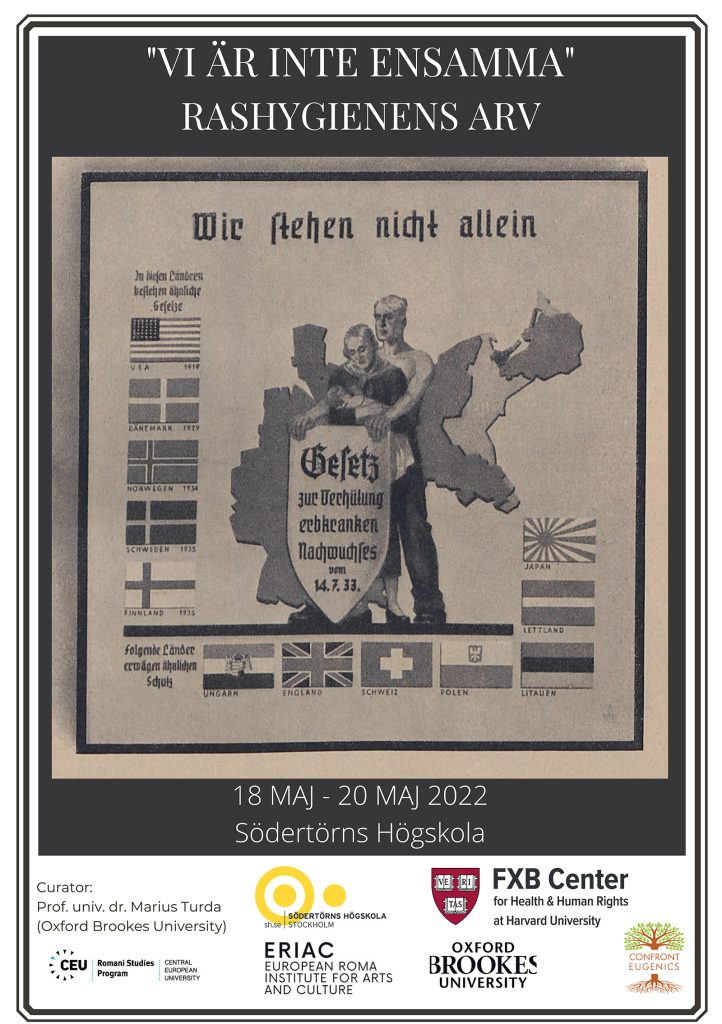
After Warsaw, the exhibition “We are not Alone”: Legacies of Eugenics travels to Stockholm. The exhibition is open during a major conference on Romani studies hosted by Södertörn University between 18-20 May 2022.
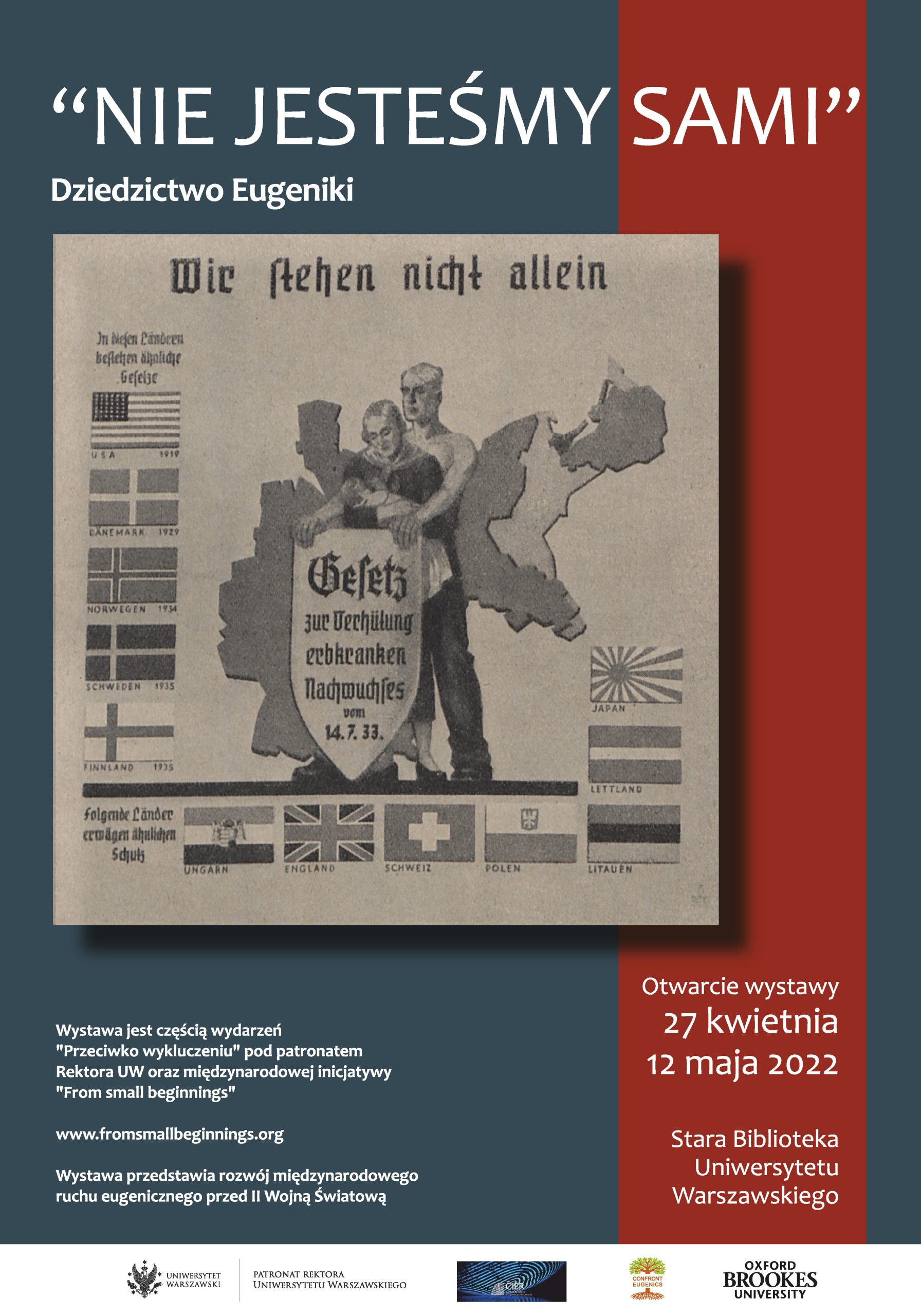
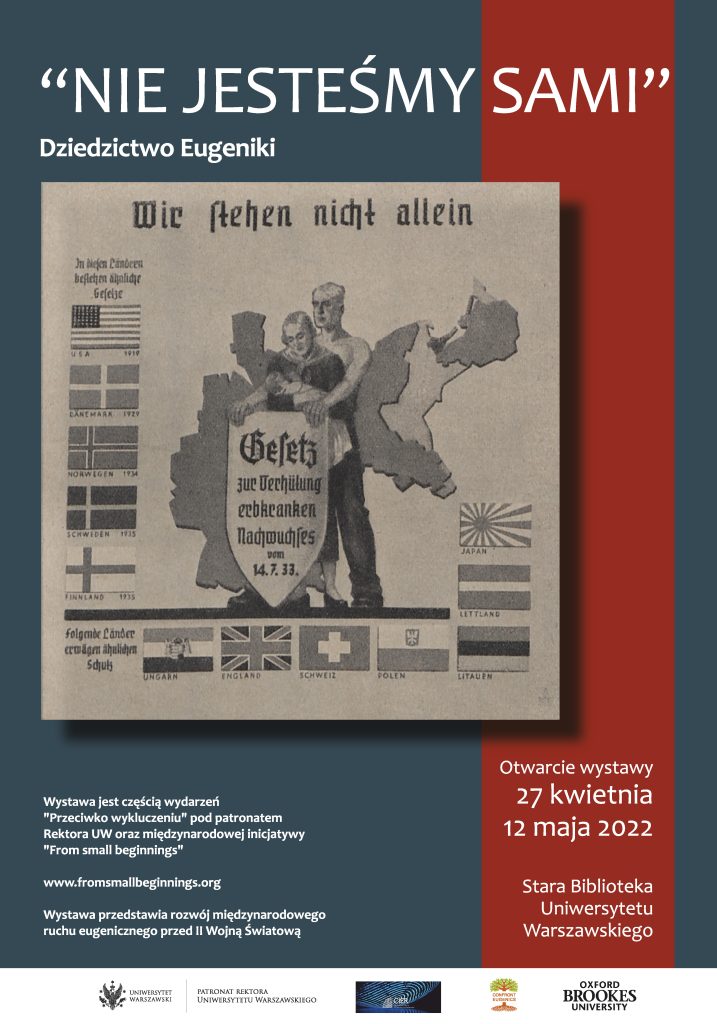
On 27 April 2022 the exhibition “We are not alone”: Legacies of Eugenics travels to Poland at the Museum of the University of Warsaw.
Listen to Marius Turda discuss with Teresa Norman (Together in the UK) about racism, eugenics, and prejudice:
https://togetherintheuk.co.uk/project/war-oppression-and-prejudice-part-1/
and
https://togetherintheuk.co.uk/project/war-oppression-and-prejudice-part-2/
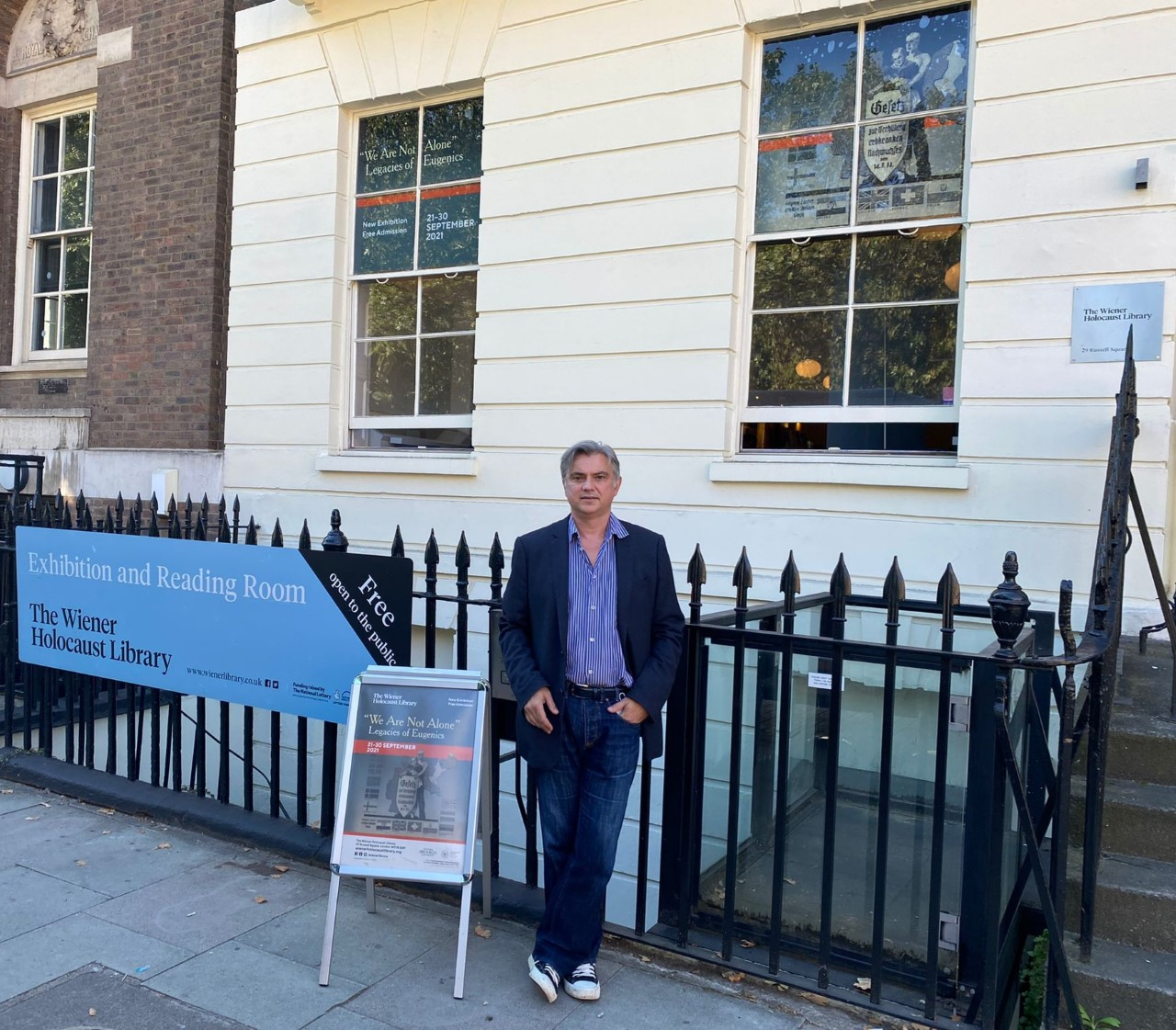
Marius Turda interviewed on Romanian National Television about the aims of the ‘We are not alone’ exhibition, the current resurgence of racism and the need to confront the legacies of eugenics:
and
and
Read Marius Turda’s latest article, dealing with eugenics and anti-Roma racism (in Romanian):
https://www.dor.ro/protejarea-rasei-si-mostenirea-eugeniei/

Published 14 February 2022
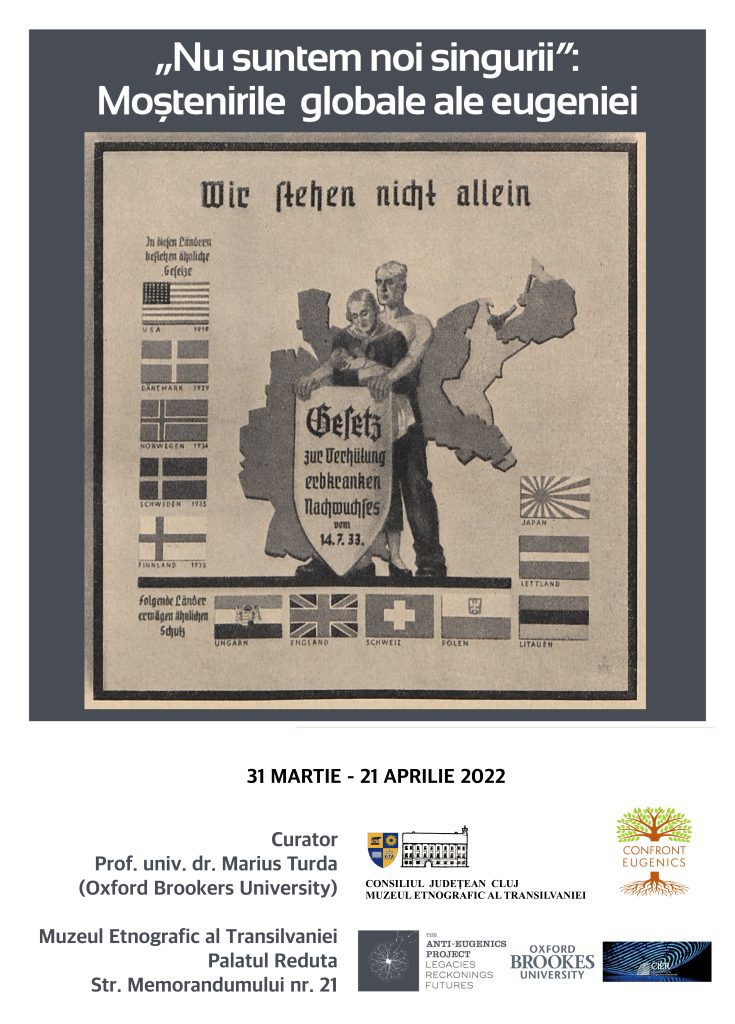
On 31 March 2022 the exhibition “We are not aloneâ€: Legacies of Eugenics travels to Cluj at the Transylvanian Museum of Ethnography
https://www.muzeul-etnografic.ro/en